1029, 4024 Elkhart Rd. Ste 26, Goshen, IN 46526
Call Us at 574-505-6246
INTEREST FREE PLAN
| Rated Excellent 4.8/5
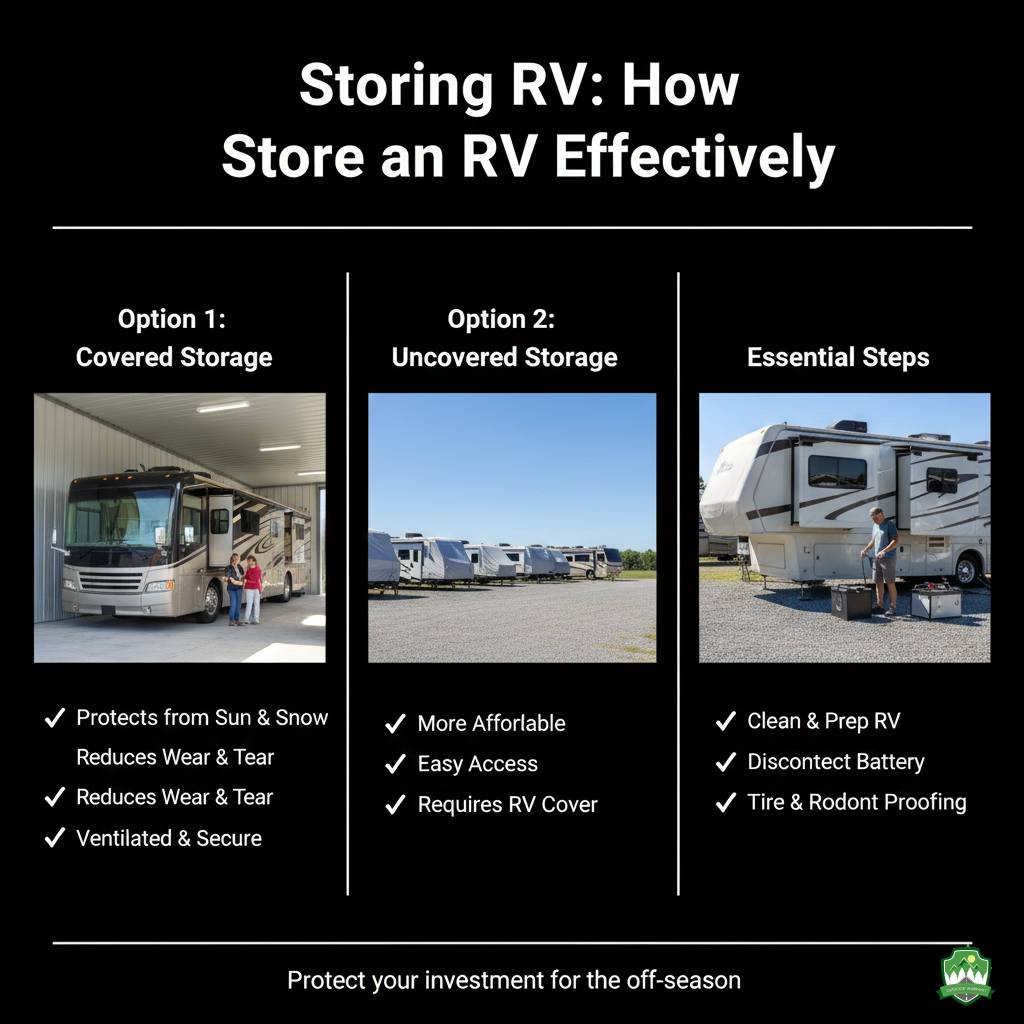
Storing Recreational Vehicle (RV) effectively requires proper preparation and maintenance to protect the vehicle. Proper storing RV practices prevent damage and preserve the RV's value over time. Ensuring the RV is securely stored helps avoid costly repairs and reduces wear from environmental factors.
Essential preparation steps for long-term storage for RVs include cleaning the interior and exterior, draining water tanks, and disconnecting the battery. These actions prevent freezing, mold growth, and battery drainage. Adding antifreeze to plumbing lines helps protect against freezing temperatures, and securing tires avoids flat spots.
Key maintenance and security measures involve checking for leaks, inspecting seals, and using a breathable cover. Installing motion sensors or a security system deters theft. Routine checks during storage help catch problems early, preventing costly damage.
Common mistakes to avoid include leaving water in tanks, not securing the RV, and neglecting tire maintenance. Failing to inspect for pests or improperly sealing the RV led to mold and rodent infestations.
Understanding warranty and insurance coverage for travel trailer storage is crucial. Extended warranties do not cover damage from poor storage practices. Insurance coverage varies, so reviewing the terms ensures understanding of what is covered for damages caused by environmental factors during storage.
Proper Recreational Vehicle (RV) storage is important because it helps prevent wear and tear. Storing a Recreational Vehicle in a safe, covered location protects it from harsh weather conditions such as rain, snow, and UV rays. Weather exposure causes the exterior to degrade, leading to rust and fading. Storing an RV properly ensures its longevity by keeping its components in good condition.
Improper storage leads to costly repairs. It experiences mechanical issues like engine damage and leaks when an RV is left exposed to the elements. These problems require expensive fixes. Improper storage attracts pests, which cause damage to wiring and upholstery, leading to further expenses. Choosing a proper storage space ensures that the Recreational Vehicle remains in peak condition. It helps maintain its value and reduces the risk of expensive maintenance in the future.
The Best RV Storage Options are listed below.
Indoor Storage: Indoor storage provides the highest level of protection for a Recreational Vehicle (RV). It offers complete protection from weather elements, ensuring the RV remains safe from rain, snow, and sun exposure. Indoor storage provides superior security due to controlled access and surveillance systems. It tends to be the most expensive option due to limited availability and higher facility costs.
Outdoor Storage: Outdoor storage is an economical choice for RV owners. It offers easy access to the RV, with abundant and affordable spaces. The primary drawback is exposure to weather conditions, leading to wear and tear. Security in outdoor storage is minimal, with fewer protection measures, making it less ideal for long-term storage.
Covered Storage: Covered storage offers a middle ground between indoor and outdoor options. It provides some protection from the elements, such as sun and rain, but does not fully shield the RV from snow or extreme weather. Covered storage is more affordable than indoor options and offers better security than outdoor storage. It does not provide the same level of climate control or protection from pests.
RV Storage Facilities: RV storage facilities specialize in storing RVs and offer a range of storage types, including indoor and outdoor options. These facilities provide high security, such as gated access and surveillance. Prices vary based on the type of storage and location. Facilities offer amenities like dumping stations or electricity hookups, but costs are higher than basic outdoor storage.
Prepare Your RV for Long-Term Storage by following the ten steps listed below.
Clean the Recreational Vehicle (RV) Thoroughly. Clean the interior and exterior of the RV. Remove food, trash, and dirt to prevent pests and mold growth. Wash and wax the exterior to protect it from environmental damage during storage.
Drain All Fluids. Drain the water system, including the freshwater tank, water heater, and pipes. Empty the holding tanks (black and gray). It prevents freezing and damage to plumbing during colder months.
Check Tires. Inflate the tires to the recommended pressure to avoid flat spots. Consider placing the RV on blocks to take the weight off the tires if storing for an extended period.
Disconnect the Battery. Disconnect the battery to prevent it from draining over time. Store the battery in a cool, dry place to extend its lifespan.
Cover Vents and Openings. Close all windows and vents securely. Cover exterior openings like vents, exhaust pipes, and the air conditioner to prevent water, dirt, or pests from entering.
Use a Cover. Use a high-quality RV cover to protect the exterior from UV rays, dust, and debris. Choose a breathable cover to prevent moisture buildup that leads to mold or mildew.
Check Fluids and Lubrication. Top off the engine oil, transmission fluid, and other essential fluids. Lubricate hinges, locks, and moving parts to prevent rust and ensure proper functioning when the RV is used again.
Seal All Gaps. Inspect for gaps or cracks in seals, around doors and windows. Apply appropriate sealant to prevent water from entering and causing damage.
Prevent Pests. Use pest deterrents, such as rodent repellent or mothballs, inside the RV to prevent infestations during storage.
Choose a Storage Location. Select a secure and suitable storage location. Consider an indoor, covered, or outdoor storage facility based on budget and desired protection. Ensure the space is dry, well-ventilated, and away from potential hazards.
To protect your Recreational Vehicle (RV) from weather damage during storage, use a high-quality cover specifically designed for the vehicle. The high-quality cover shield the RV from rain, snow, and UV rays, reducing the risk of exterior fading and cracking. Ensure the cover is breathable to prevent moisture buildup, which leads to mold or mildew growth.
Store the RV in a location that offers protection from extreme weather. Indoor or covered storage is ideal for shielding the RV from rain, snow, and intense sunlight. Choose a spot with some natural shelter if using outdoor storage, such as under trees or structures, to minimize exposure.
Keep vents, windows, and other openings sealed to prevent water from entering. Ensure roof seals are intact, and reapply sealant if necessary to prevent leaks. Use a dehumidifier or moisture-absorbing products inside the RV to maintain a dry environment in humid conditions.
Winterize the RV by draining water systems, adding antifreeze, and disconnecting the battery for cold weather. It prevents freezing and damage to the plumbing and electrical systems. Protect tires by inflating them to the recommended pressure and placing the RV on blocks if storing for an extended period.
The Best RV Covers for Different Climates are listed below.
Polyester RV Covers with UV Protection: Polyester covers with UV protection are ideal for areas with intense sunlight and high temperatures. They protect the RV from sun damage, such as fading and cracking, made from UV-resistant polyester. They are lightweight and breathable, which prevents moisture buildup while blocking harmful UV rays.
Heavy-Duty Vinyl or Polyvinyl Chloride (PVC) RV Covers: PVC covers offer excellent protection against rain, snow, and humidity. They provide a waterproof barrier, made from durable vinyl or PVC material, that prevents water from seeping through. They are heavy-duty and designed to withstand continuous exposure to moisture, keeping the RV dry and free from mold growth.
Polypropylene RV Covers: Polypropylene covers are perfect for colder climates. They offer excellent protection from snow, ice, and freezing temperatures. These covers are designed to withstand harsh winter conditions while allowing air circulation to prevent condensation buildup inside the RV. They help protect the roof, windows, and tires from damage caused by freezing and moisture.
Triple Layered or Multi-Layered RV Covers: Multi-layered covers, made of polypropylene and polyester, are ideal for regions with varying weather conditions. These covers balance UV protection, water resistance, and insulation. They are designed to protect the RV from the sun’s heat and cold winter temperatures.
Breathable, Polyester RV Covers with Ventilation: Breathable covers are essential in tropical or humid climates. They help prevent moisture buildup under the cover, which leads to mold and mildew. These covers are made from polyester or fabric blends that allow air to circulate while protecting against rain and high humidity.
To Prevent Pest Infestations in Your Stored RV, follow the guidelines listed below.
Ensure all windows, vents, and doors are tightly closed and sealed. Use high-quality weatherstripping or silicone sealant to fill any gaps or cracks around the RV’s exterior to prevent pests from entering.
Place natural pest repellents such as peppermint oil, mothballs, or cedar blocks inside the RV. These repellents are known to deter rodents and insects. Consider using electronic pest repellers that emit ultrasonic frequencies to keep pests at bay for a more controlled approach.
Clean thoroughly the RV’s interior before storing it. Remove any food items, snacks, or trash that attract pests. Vacuum all areas to eliminate crumbs and food remnants that invite rodents or insects.
Install mesh screens on roof vents, furnace vents, and exhaust pipes. These screens allow air to circulate, preventing pests, such as rodents and insects, from entering these tiny openings.
Set traps inside the RV to catch any pests that have already entered. Use humane traps for rodents and insects to prevent infestations from getting out of control.
Choose a storage location free from heavy vegetation or debris that attract pests. Storing the RV in a well-maintained facility with proper pest control measures reduces the risk of infestations.
Use dehumidifiers or moisture absorbers. Excess moisture attracts pests, such as termites and mold, which thrive in damp environments. Place dehumidifiers or moisture-absorbing products, like silica gel or desiccant bags, inside the RV to maintain a dry environment.
Inspect the RV periodically for signs of pests. Look for droppings, nests, or other signs of infestation, and address any issues immediately before they escalate.
Use a breathable RV cover to keep pests from nesting in hidden areas. The cover must be made from a material that allows airflow while protecting the RV from outdoor pests.
The best ways to maintain RV batteries in storage are to keep them fully charged and properly protected. Charge the battery fully before storage to prevent it from freezing or losing charge. Disconnect the battery from the RV’s electrical system to avoid any drain.
Remove the battery and store it in a cool, dry location. Place it on a non-conductive surface like wood to prevent corrosion. Clean the battery terminals with a baking soda and water mixture to remove corrosion and protect them with petroleum jelly.
Use a battery maintainer or trickle charger to keep the battery at the optimal charge. Check the battery’s charge level every few months to ensure it remains in good condition. Insulate the battery or use a heated blanket to protect it from cold or heat damage for extreme temperatures. Proper care keeps the battery ready for use when needed.
To Properly Winterize Your RV for Cold Weather Storage, follow the nine steps listed below.
Drain the Water System. Begin by draining all water from the system, including the freshwater tank, water heater, and all pipes. It prevents any water left in the system from freezing and causing damage.
Add Antifreeze. Add RV-specific antifreeze to the plumbing lines after draining the water system. It helps protect the pipes and tanks from freezing during cold weather. Ensure the antifreeze used is non-toxic and designed for Winterizing the RV.
Clean the RV. Clean thoroughly the interior and exterior of the RV. Remove food, trash, and any items that attract pests. Wash and wax the exterior to protect it from salt, grime, and other winter-related damage.
Disconnect the Battery from the RV’s electrical system. Store the battery in a cool, dry place to prevent it from draining or freezing. It loses its charge or gets damaged by freezing if the battery is left in the RV.
Protect the Tires. Inflate the tires to the recommended pressure and place the RV on blocks to prevent flat spots from forming during long-term storage if possible. It helps protect the tires from damage caused by freezing temperatures.
Seal Vents and Openings. Close all vents, windows, and openings securely. Covers or tape ensure no cold air or moisture gets inside. Check seals around doors and windows for gaps and apply additional sealant if necessary.
Use a Dehumidifier. Place a dehumidifier inside the RV to control moisture levels and prevent mold or mildew buildup. It helps maintain a dry environment and protects the interior from damp conditions.
Cover the RV. Use a high-quality, breathable cover designed for winter weather. The cover shields the RV from snow, ice, and harsh elements, allowing air to circulate and preventing moisture buildup.
Inspect and Check Regularly. Periodically check the RV during storage. Inspect for any signs of damage or pests. Ensure the cover is intact and the RV remains secure throughout winter.
To choose the right RV storage facility, there are six steps to follow. First, consider the location. It must be easy to access and close to home or travel destinations. Second, evaluate the security. Look for gated access, security cameras, and proper lighting. Storage facilities offer 24-hour surveillance and on-site staff. Third, check the type of storage offered. Indoor or covered storage provides the best protection from weather. Outdoor storage is cheaper but offers less protection.
Fourth, look for additional amenities. RV storage facilities offer battery charging, water hookups, or dump stations. These services are helpful for long-term storage. Fifth, inspect the facility’s maintenance. A clean, well-kept facility shows that it is appropriately managed. Look for clear signage and paved roads. Lastly, compare the pricing. The cost must match the level of protection and services offered. Choose a facility that fits the budget and needs.
You can keep your RV's tires in good condition during storage by inflating the tires to the recommended pressure. Under-inflated tires lead to flat spots, while over-inflated tires cause stress and damage. Consider placing the RV on blocks to take the weight off the tires if stored for an extended period. It helps prevent flat spots from forming. Rotating the tires occasionally helps distribute the weight more evenly if blocks are unavailable.
Store the RV in a shaded or covered area to protect the tires from prolonged exposure to the sun's UV rays. UV damage causes the rubber to degrade and crack over time. Consider using tire covers to shield the tires from sunlight and other environmental elements if the RV must be stored outside. Regularly inspect the tires for any signs of damage, such as cracks, bulges, or wear. Checking the tires every few months ensures early detection of any issues, allowing for timely maintenance or replacement. Keep the tires clean by removing dirt and debris, which causes damage to the rubber. Cleaning with mild soap and water helps maintain the integrity of the tires during storage.
To prevent mold and mildew in a stored RV, there are six steps to follow. First, clean the interior thoroughly before storage. Remove any food, trash, or moisture that attract mold or mildew. Vacuum all surfaces and wipe down walls, floors, and upholstery. Second, ensure the RV is completely dry before storage. Use fans or a dehumidifier to reduce moisture inside the RV. Pay special attention to areas prone to dampness, such as the bathroom, kitchen, and under sinks.
Third, seal any leaks or gaps around windows, doors, and vents. It prevents moisture from entering the RV during storage. Check the roof and seals for cracks that allow rainwater to seep inside. Fourth, consider using moisture-absorbing products like silica gel, dehumidifying bags, or RV-specific moisture absorbers. These products help control humidity and keep the interior dry.
Fifth, keep the RV well-ventilated by opening windows slightly or using vent covers. Proper airflow reduces the likelihood of condensation forming, which leads to mold growth. Lastly, check the RV periodically during storage. Inspect for signs of mold or mildew and address any issues immediately to prevent further damage. Regular checks help maintain a mold-free environment inside the RV.
Yes, you should empty your RV’s water tanks before storage. Leaving water in the tanks leads to freezing in cold climates, which causes damage to the plumbing. Freezing water expands and cracks pipes or tanks. Stagnant water develops mold or bacteria in hot climates, creating unpleasant odors and potential health risks.
Draining the tanks ensures that no residual water remains to cause damage. Drain the freshwater and waste tanks to prevent any issues if the RV is stored for an extended period. Check the manufacturer’s guidelines for additional instructions specific to the RV model.
The best security measures for RV storage are surveillance systems, gated access, and security alarms. RV security is essential to protect the vehicle from theft, vandalism, and damage while it is not in use. A secure storage facility ensures the RV is safe and reduces the risk of unauthorized access.
Surveillance cameras provide constant monitoring and deter criminal activity. Gated access with restricted entry adds an extra layer of protection, allowing only authorized individuals to enter. Security alarms notify the owner of any unauthorized entry into the RV.
Security gadgets like motion detectors, door sensors, and GPS tracking devices inside the RV help protect valuables. Motion detectors alert owners of movement inside, while door sensors trigger alarms if doors are opened. GPS tracking allows owners to locate the RV if it is stolen, providing an added peace of mind.
You should check your RV every 1 to 2 months while it's in storage. Regular checks help identify potential issues before they become major problems. Checking includes inspecting for pests, mold, leaks, or damage to the exterior and tires.
Checking on the RV ensures that security measures like locks and alarms function properly. It allows monitoring the battery's condition, tires, and plumbing. Regular inspections maintain the RV’s condition and prevent costly repairs later.
Maintenance Tasks Should Be Done After Taking Your RV Out of Storage are listed below.
Exterior Inspection: Inspect the exterior for any damage caused during storage. Look for cracks, dents, or areas where moisture might have entered. Maintaining the RV includes checking seals around windows, doors, and vents to prevent leaks and ensure a tight seal.
Tire Inspection and Maintenance: Check the tire pressure for any signs of wear or cracks. Tires have developed flat spots if the RV was stored for a long time. It includes ensuring the tires are properly inflated and replacing them if necessary to avoid issues on the road.
Battery Check and Reconnection: Reconnect the RV’s battery after checking its charge level. Ensure it is still in good condition and properly charged if the battery was removed for storage. It involves ensuring the battery is functioning to prevent starting issues.
Plumbing System Check: Inspect the plumbing system for leaks or damage during storage. Ensure the water lines and tanks are free from cracks or blockages. It includes ensuring all water systems are functional and safe.
Propane System Inspection: Check the propane system for leaks or loose connections. Ensure the propane tank is securely attached and has no visible damage. It ensures the system is ready for use and safe for cooking and heating.
Electrical System Check: Test the RV’s electrical system, including lights, outlets, and other electrical devices. Check for any damage to wires or fuses. It involves ensuring the system is fully operational and hazards-free.
HVAC System Inspection: Inspect the heating, ventilation, and air conditioning system for proper operation. Clean filters and check for any blockages or malfunctions. It ensures the HVAC system runs efficiently and provides comfort during travel.
Appliance Testing: Test all appliances, including the refrigerator, stove, and microwave, to ensure they work properly. Check for any issues such as faulty wiring or gas leaks, ensure all appliances function, and keep the RV comfortable.
Interior Cleaning and Mold Prevention: Clean thoroughly the interior, focusing on areas that have collected dust or moisture. Check for signs of mold or mildew if the RV was stored in a humid environment. Maintaining the RV involves preventing mold growth to protect health and preserve the interior condition.
Brakes and Suspension Check: Inspect the brake system for wear and tear. Check the suspension for any damage or misalignment. Ensuring the brakes and suspension are in optimal condition to ensure safety on the road involves maintaining the RV.
Solar panels can help maintain your RV's battery in storage by providing a continuous trickle charge. The solar panels collect sunlight and convert it into electricity when the RV is not in use, which is then stored in the battery. The process prevents the battery from losing charge over time and keeps it at an optimal level. There are different types of solar solutions for RV storage. Portable solar panels are an easy and flexible option. These are set up when needed and moved around for maximum sunlight exposure. Roof-mounted solar panels are more permanent and provide a constant charge to the RV’s battery, ensuring it remains charged without needing to be manually connected.
Solar battery chargers are another solution because they are designed to keep the battery in good condition by preventing it from discharging completely. Solar charge controllers are essential to regulate the charge going into the battery to avoid overcharging and to ensure long-term battery health.
The Common Mistakes to Avoid When Storing an RV are listed below.
Leaving Water in the Tanks: Leaving water in the freshwater, gray, and black tanks causes freezing in cold weather, leading to pipe damage. It results in mold or bacteria buildup in warm climates.
Not Cleaning the RV Before Storage: Failing to clean the interior and exterior leads to pests, mold, or damage. Dirt and food particles attract insects and rodents, while moisture causes mildew growth.
Neglecting to Disconnect the Battery: Leaving the battery connected leads to draining or damage due to cold temperatures. Disconnect the battery before storage to preserve its charge.
Storing the RV on Flat Tires: Allowing tires to sit without proper inflation or using blocks causes flat spots. Tires must be inflated to the correct pressure, or the RV must be placed on blocks during storage.
Not Protecting the RV from Weather: Storing the RV without a cover exposes it to harsh weather, UV rays, and other environmental damage. Use a high-quality, breathable cover to protect the RV from the elements.
Overlooking Seal Gaps or Leaks: Ignoring seal checks around windows, doors, and vents leads to water damage. Ensure all seals are intact and apply sealant if necessary to prevent moisture from entering.
Leaving the RV in a Humid Environment: Storing the RV in a damp or humid environment increases the risk of mold and mildew. Ensure the storage area is dry and well-ventilated.
Failing to Check the RV Periodically: Not inspecting the RV during storage leads to undetected problems, such as pests or leaks. Regular checks help prevent minor issues from becoming bigger problems.
Not Using a Dehumidifier: Failing to use a dehumidifier or moisture absorbers causes condensation inside the RV, leading to rust, mold, and mildew.
Ignoring the Importance of Security: Leaving the RV in an unsecured location without adequate surveillance or security measures increases the risk of theft or vandalism. Ensure the storage area is secure.
To store an RV without hookups or power access, there are six steps to follow. First, ensure the RV is clean and dry before storage. Clean the interior and exterior thoroughly to prevent pests and mold growth. Remove food, trash, or personal items that attract rodents or insects. Wipe down surfaces in areas prone to moisture, to avoid mildew buildup.
Second, drain all water from the RV’s plumbing system, including the freshwater tank, water heater, and waste tanks. The step prevents freezing and damage in colder climates. Add RV-specific antifreeze to the plumbing lines to protect them from freezing during winter storage after draining.
Third, disconnect the RV's battery to prevent it from draining. Store the battery in a cool, dry place to maintain its charge. Consider using a solar panel system to maintain the battery’s charge if the RV is in storage for an extended period. Solar panels are a great solution when there is no power access, as they provide a trickle charge to the battery and help prevent it from draining completely.
Fourth, use a breathable cover designed for outdoor storage to protect the RV from environmental damage. The cover shields the RV from UV rays, rain, and dirt, allowing moisture to escape to prevent mold growth. Ensure the cover fits snugly, covering all exposed areas.
Fifth, check the RV periodically during storage. Regular inspections help identify potential issues such as leaks, pests, or damage from weather conditions. Ensure that the tires are correctly inflated to avoid flat spots and, if necessary, place the RV on blocks to take the weight off the tires.
Lastly, store the RV in a safe and secure location. Choosing a storage facility with good security features, such as gated access and surveillance, is essential to protect the RV from theft or vandalism even without hookups or power access.
No, damages from storage are not covered under an extended warranty. Extended Warranty for RVs covers mechanical breakdowns, parts, and labor costs related to normal wear and tear or defects. It includes issues with the engine, transmission, or other essential RV systems. Damages due to improper storage, environmental factors like water or mold, or issues arising from neglect are excluded from coverage.
Policies under an Extended Warranty for RVs include protection for things like electrical systems, plumbing, heating, and cooling units, but they do not extend to damages caused by improper storage or lack of maintenance. For instance, damage from freezing, pests, or mold from poor storage conditions fall outside the scope of coverage.
Reviewing the terms and conditions of the Extended Warranty for RVs is essential to understand exactly what is covered. Warranties offer limited coverage for issues arising during storage, but most do not cover damages due to negligence or failure to prepare the RV for long-term storage properly.
👉 Call Us 574–505–6246
Let us give you the best quote we can! 👇
You agree to receive automated follow-up, reminder, and promotional messages with varying frequency. Text and data rates may apply. Reply STOP to end. Text HELP for help. Click for Terms of Service and Privacy Policy.